Quick Answer
The Los Osos building moratorium was established in the mid-1980s to protect the community's groundwater supply while addressing wastewater concerns caused by thousands of aging septic systems. Although the original moratorium has been lifted, new development is still carefully managed through groundwater sustainability policies, environmental protections, and annual growth allocations. Understanding this history helps explain why there are still so many vacant lots throughout Los Osos—and what buyers should know before purchasing one.
Understanding the Los Osos Building Moratorium
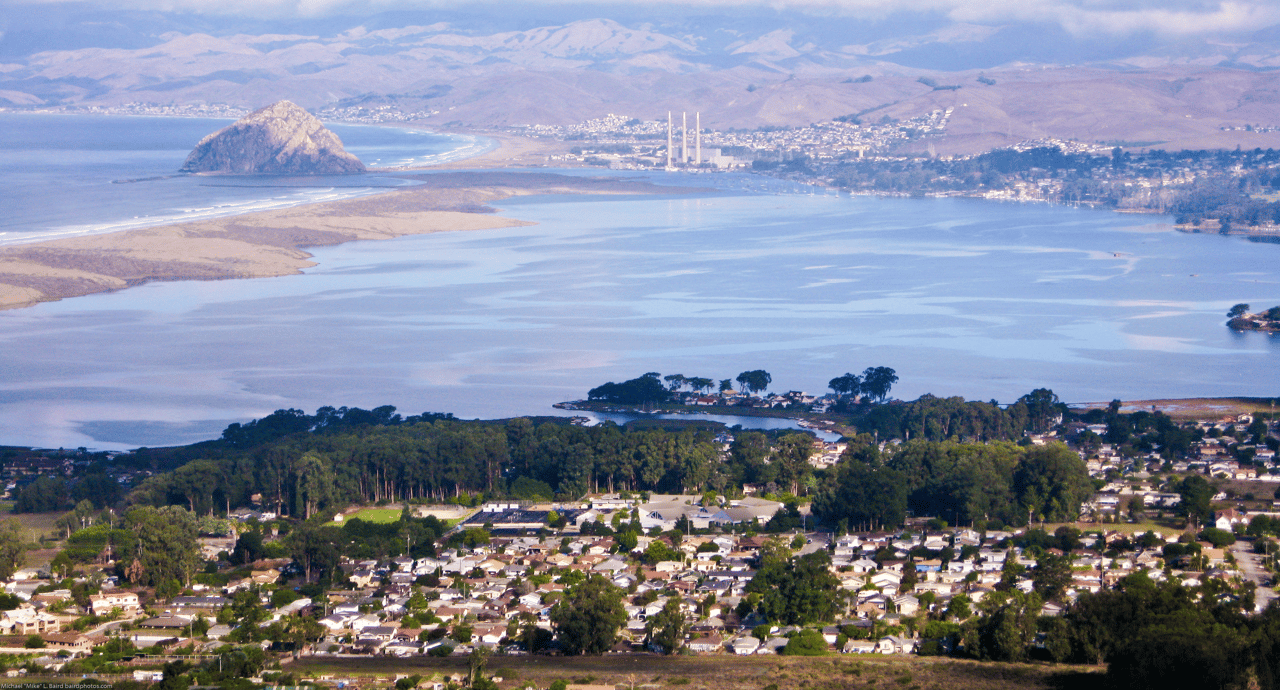
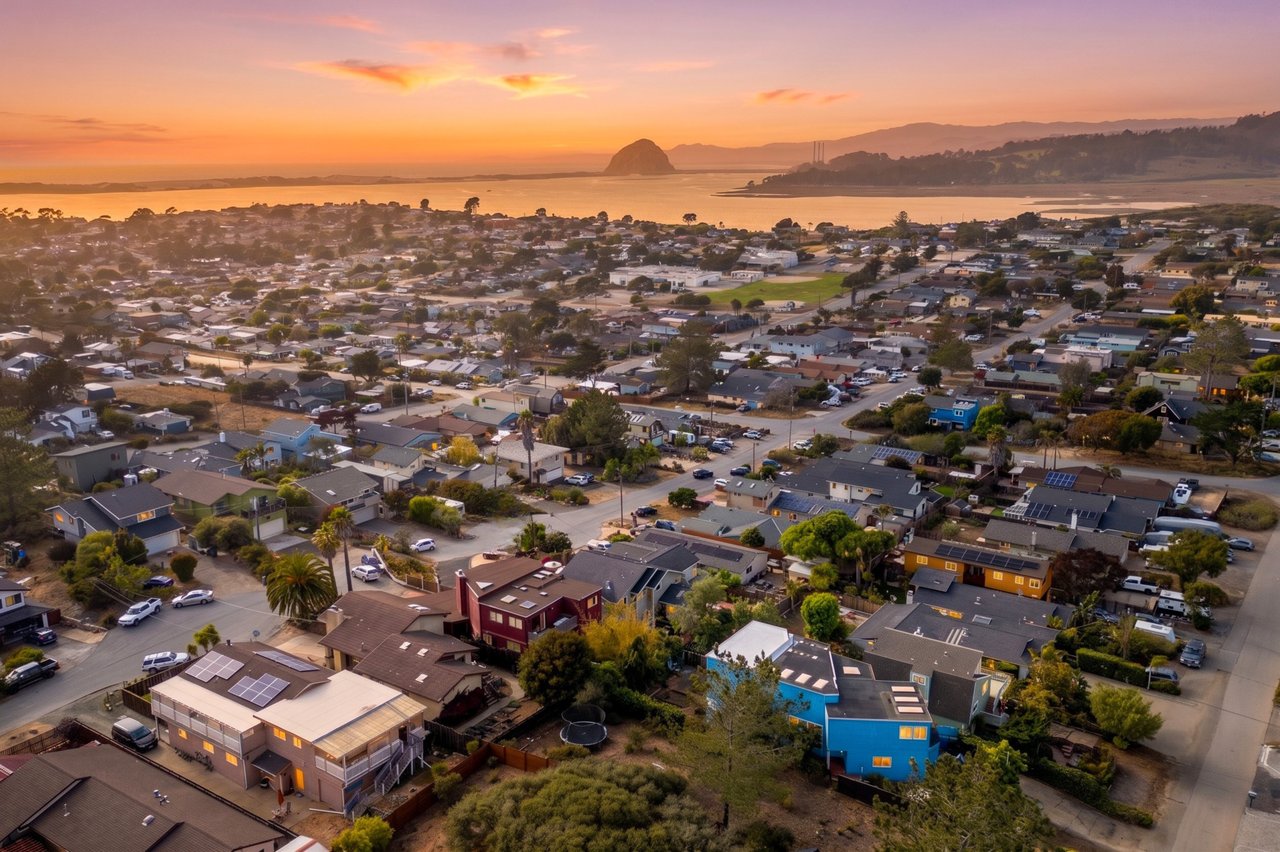
If you've spent any time driving around Los Osos, you've probably noticed something unusual: vacant residential lots scattered throughout town.
It's one of the first questions I ask buyers.
"Have you heard about the Los Osos building moratorium?"
Most people haven't.
Understanding the answer explains why Los Osos looks and feels the way it does today—and why buying a vacant lot isn't always as straightforward as it might seem.
How the Building Moratorium Began
When Los Osos was first developed, nearly every home relied on its own septic system. At the time, that wasn't unusual. Each property had a septic tank and leach field that treated wastewater onsite.
Over time, thousands of septic systems began affecting the groundwater beneath the community.
Los Osos sits on two primary groundwater aquifers. The upper aquifer became increasingly impacted by nitrates from aging septic systems, while the lower aquifer remained the community's primary source of drinking water.
During the 1970s and early 1980s, Los Osos experienced rapid residential growth. As more homes were built, groundwater pumping increased. Officials became concerned that continued pumping could eventually allow saltwater from the Pacific Ocean to migrate into the freshwater basin—a process known as saltwater intrusion.
To protect the community's long-term water supply, San Luis Obispo County placed Los Osos under a building moratorium in the mid-1980s. For decades, most new residential construction came to a halt.
Why There Are Still Vacant Lots
The building moratorium permanently changed the appearance of Los Osos.
Many residential lots had already been created and sold before the moratorium began. Once new construction stopped, hundreds of those parcels remained vacant.
Today, those undeveloped lots contribute to Los Osos' unique character. They create open space between homes, preserve neighborhood views, and help maintain the slower, less densely developed atmosphere that many residents love.
For buyers, however, they often create an obvious question:
"If the lot is there, why can't I build on it?"
The answer depends on several factors, including growth allocations, environmental regulations, utility availability, and current county policies.
The Sewer Project Changed Everything
After years of planning, public debate, and infrastructure improvements, Los Osos completed one of the largest public works projects in its history.
Between 2014 and 2016, a modern wastewater collection and treatment system was installed throughout much of the community.
Roads were excavated to install new sewer lines, and nearly every property received a sewer lateral connection. Homeowners transitioned away from septic systems by decommissioning their tanks and connecting to the new public sewer system.
This project dramatically improved wastewater management and addressed one of the major environmental issues that contributed to the original moratorium.
Why Growth Is Still Carefully Managed
Many people assumed that once the sewer project was complete, unrestricted building would immediately return to Los Osos.
Instead, the community entered a new phase of carefully managed growth.
Today, new development is influenced by groundwater sustainability, environmental protections, habitat conservation, Coastal Commission oversight, and county growth management policies.
Rather than allowing unrestricted development, Los Osos now follows a controlled growth model designed to balance new housing with the long-term protection of its water resources and sensitive coastal environment.
As policies continue to evolve, development opportunities may change from year to year.
What About Cabrillo Estates?
One neighborhood that continues to face unique challenges is Cabrillo Estates.
Unlike much of Los Osos, many homes in Cabrillo Estates still rely on individual septic systems because the neighborhood sits outside the community sewer service area.
As older septic systems reach the end of their life, homeowners may be required to install advanced onsite wastewater treatment systems—an expensive investment.
Because of these costs, neighborhood leaders have explored extending sewer service into Cabrillo Estates. While there has been strong community support for the idea, funding and implementation remain ongoing discussions between residents and San Luis Obispo County.
What This Means for Buyers
If you're considering purchasing a vacant lot in Los Osos, every property should be evaluated individually.
Some of the questions I help buyers answer include:
- Is the property eligible for a building allocation?
- Is sewer service available?
- Are biological studies required?
- Are there Coastal Commission considerations?
- What permits or agency approvals may be necessary before construction?
These questions don't necessarily make a property less desirable—they simply make local expertise much more valuable.
Looking Ahead
Los Osos has entered a new chapter.
The community has invested in modern wastewater infrastructure, continues to carefully manage its groundwater resources, and is allowing thoughtfully planned growth while protecting the qualities that make this coastal town so special.
While the original building moratorium is behind us, development remains intentionally measured to preserve Los Osos for future generations.
Final Thoughts
The Los Osos building moratorium remains one of the most frequently discussed topics in our local real estate market. Whether you're purchasing your first home, considering a vacant lot, or simply trying to better understand the community, knowing the history behind the moratorium provides valuable context for today's market.
If you're thinking about buying or selling in Los Osos and have questions about how local regulations may affect your property or future plans, I'd be happy to help.
For a broader look at neighborhoods, schools, recreation, and what it's really like to live here, be sure to read my Living in Los Osos, California neighborhood guide.